
Why can sleep be a challenge for children with autism? How families are helping researchers find answers
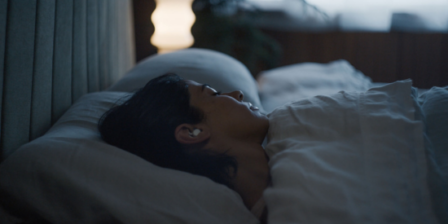
For many families of children with autism, a good night’s sleep can feel out of reach. Sleep difficulties affect up to 80% of children with autism, yet researchers still don’t fully understand why they happen or why some families are affected more than others.
The FamilySleeps study, led by FutureNeuro Principal Investigator Professor Lorna Lopez at Maynooth University, is working with families across Ireland to explore these questions. By investigating sleep patterns, genetics and circadian rhythms, the body’s natural 24-hour clock that helps regulate when we feel awake and when we feel sleepy, the team hopes to uncover new insights that could lead to better support for children and their families.
Just as importantly, FamilySleeps is demonstrating how research can be strengthened by working in partnership with the people it aims to benefit. This approach, known as engaged research, brings researchers together with patients, families and communities to shape research from design through to delivery.
Research shaped with families
FamilySleeps has embraced engaged research from the outset. Professor Lopez was inspired by findings from Creating our Future (2022), which highlighted strong public support for research that addresses everyday challenges. From the beginning, families have been helping shape the study, not simply taking part.
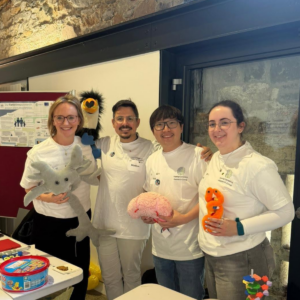
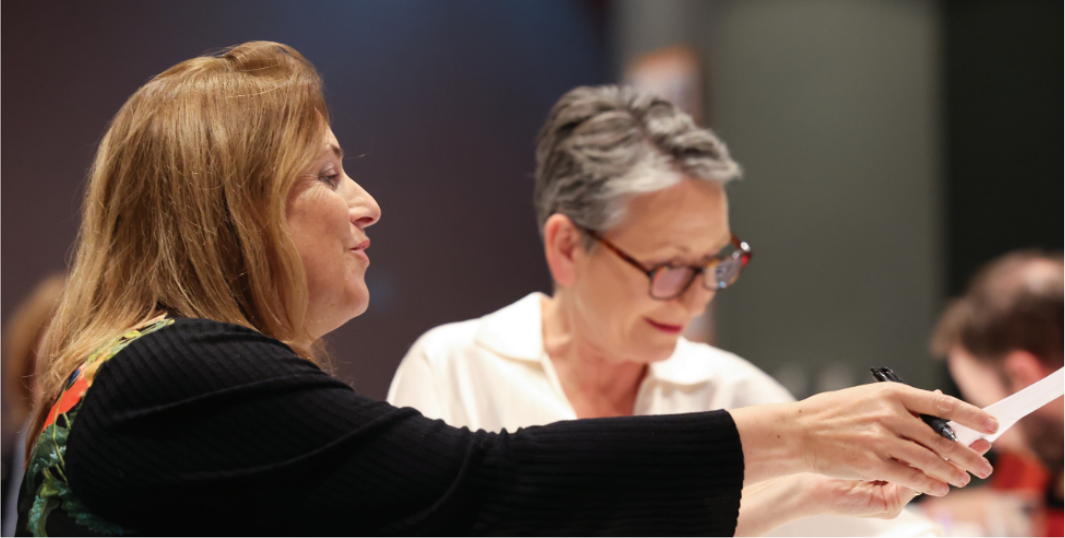
Public and Patient Involvement (PPI) has been central to this process. Parents, lived-experience contributors and PPI partners have influenced everything from the study design and participant information to the language used to describe autism. The wider team also includes researchers with lived experience of neurodevelopmental conditions, ensuring those perspectives are reflected throughout the study and the ways its findings are shared.
“We are interested in understanding differences and patterns.” says Professor Lopez. “Our work has been shaped through a neurodiversity-informed perspective, ensuring the research reflects the experiences of the families it aims to support.”
Families also helped make the study easier to take part in. Following feedback, the team replaced blood samples with saliva samples and removed other steps that would have added unnecessary burden, making participation more practical while maintaining the scientific value of the study.
Understanding sleep in everyday life
Rather than asking families to visit a clinic or change their daily routines, FamilySleeps takes place entirely in the home. Researchers collect information using wearable devices that monitor sleep and activity, a bedroom sensor, short questionnaires throughout the year, and a one-time saliva sample.
“We want to understand sleep as it naturally happens, in real-world conditions,” says Holly Hughes, Research Assistant at Maynooth University. “Families simply continue with everyday life while we collect information over time.”
Understanding sleep matters because its effects extend well beyond bedtime. Poor sleep can influence a child’s learning, wellbeing, and daily life, while also affecting parents and siblings, placing additional pressures on family life.
Listening, learning and adapting
One of the biggest lessons for the team has been that there is no such thing as a “typical” family.
“Listening to families has helped us better understand both the strengths and the limitations of our study,” says Dr Vasconcelos. “It will undoubtedly shape how we think about future research.”
Engagement extends well beyond the study itself. The FamilySleeps team regularly connects with families through community events, including FutureNeuro’s My Moving Brain initiative, the Kildare Inclusivity Festival and Maynooth University’s Sensory Friendly Science Nights, created to provide a more accessible science experience for people with sensory sensitivities.
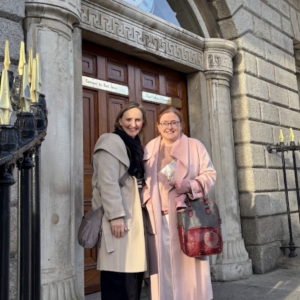
One of those family voices belongs to Claire Hayes, a parent of three autistic children who is embedded within the research team as a PPI contributor.
“I hope to bring to an academic environment the perspective of normal life in a neurodivergent family,” says Claire. “It’s a perspective that I think is essential to have when doing any academic research about autism.”
Recruitment enters its final phase
FamilySleeps is now in its final months of recruitment and continues to welcome eligible families across Ireland.
The team says sleep is a topic that resonates with almost everyone they meet, whether families, educators, clinicians or healthcare professionals, helping to start conversations about a challenge that many families recognise.
“Families are clearly interested, but also very busy, and we understand the challenges of taking part in research alongside everyday demands,” says Dr Vasconcelos. “We’re grateful to every family who has contributed.”
Interested in taking part? The FamilySleeps study is currently recruiting eligible families across Ireland. Visit the study website or contact the team at family.sleeps@mu.ie before recruitment closes.
FamilySleeps reflects FutureNeuro’s commitment to engaged research, demonstrating how active collaboration with families throughout the research process can lead to studies that are inclusive, relevant and have meaningful impact for the communities they serve.