
Background
Epilepsy research depends on strong collaboration between laboratory scientists and clinicians who care for people with epilepsy. However, many researchers working in basic or preclinical science have limited exposure to clinical practice and the day-to-day realities faced by patients and healthcare teams. To help bridge this gap, the International League Against Epilepsy (ILAE) Neurobiology Commission developed a global pilot training programme to give basic scientists direct experience within epilepsy clinics and hospitals.
Research
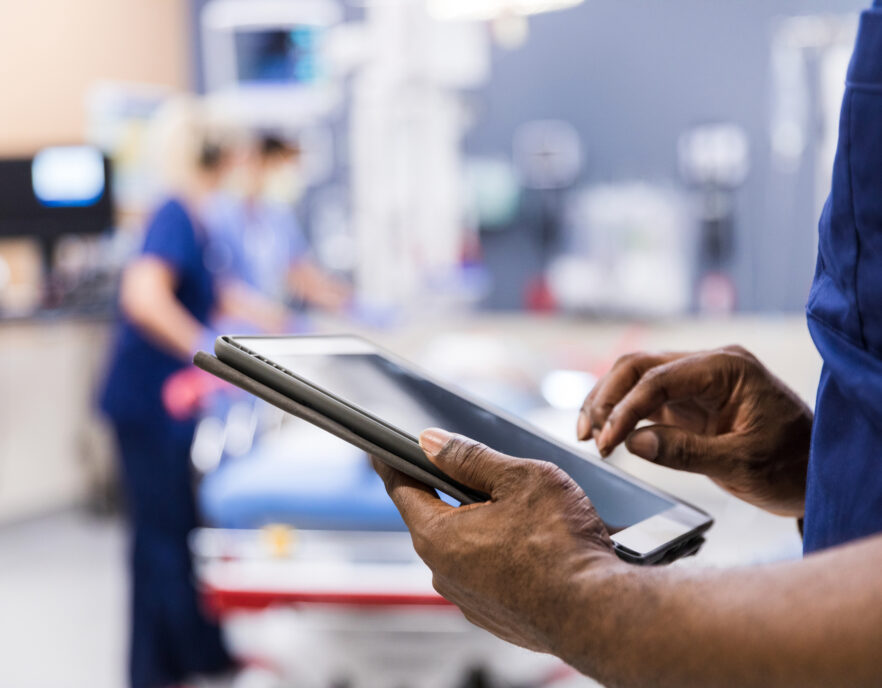
The study evaluated a two-week immersive training programme involving 50 researchers across 21 epilepsy centres in 18 countries. Participants shadowed epilepsy specialists, attended clinics and ward rounds, observed EEG monitoring and diagnostic procedures, and took part in clinical discussions and lectures. Researchers completed assessments before and after the programme, which showed a significant increase in understanding of clinical epileptology. Both trainees and clinicians reported very high satisfaction with the experience, highlighting the value of closer collaboration between laboratory researchers and healthcare professionals.
Potential Impact
The findings show that immersive clinical exposure is a practical and effective way to strengthen translational epilepsy research. By helping scientists better understand patient experiences and clinical challenges, the programme can support the development of more clinically relevant research questions and improve collaboration between researchers and clinicians worldwide. The ILAE plans to expand the initiative internationally, with the long-term goal of improving research translation and ultimately enhancing outcomes and quality of life for people living with epilepsy.