
New research involving FutureNeuro scientists reveals “leaky” brain barrier as driver of chronic brain damage in retired athletes
Groundbreaking research, led by teams at the FutureNeuro Research Ireland Centre and Trinity College Dublin, has pinpointed the mechanism linking some sports injuries to poor brain health in retired athletes.
The research, recently published in leading international journal Science Translational Medicine, has identified a breakdown in the blood-brain barrier (BBB) as the key link between repetitive head injuries (RHIs) and long-term brain health issues in this cohort.
The BBB acts as a “security gate”, letting in essential nutrients while keeping harmful toxins and inflammatory cells out. But when “leaky” it cannot perform this security job properly and becomes associated with the cognitive decline and neurological damage seen in some former professional collision and combat sports athletes including rugby players and boxers.
For the first time the researchers have shown that in some retired athletes with a history of RHIs this gate remains leaky years after they have left the field.
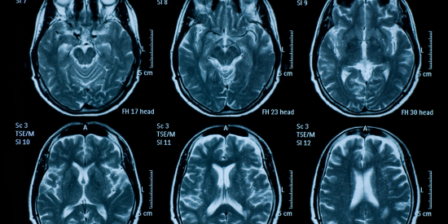
By using advanced MRI scans on retired rugby players and boxers and cross-referencing data obtained in post-mortem brain tissue from athletes diagnosed with Chronic Traumatic Encephalopathy (CTE), the team discovered that this leakage allows inflammatory proteins to seep into the brain. These inflammatory proteins then trigger a cascade of damage, including the build-up of p-Tau, a toxic protein associated with Alzheimer’s disease, and other forms of dementia.

“Even years after retirement, retired athletes showed significant BBB disruption compared to age-matched controls,” said Prof Matthew Campbell, FutureNeuro Principal Investigator, Professor of Neurovascular Genetics and Head of Trinity’s Genetics Department, who led the work with Prof Colin Doherty, FutureNeuro Principal Investigator, Professor of Epileptology and Head of the School of Medicine at Trinity College Dublin. “This suggests that the damage from head impacts is a chronic, ongoing process.
We found that retired athletes with the most extensive ‘leakage’ in their brain barrier also scored significantly lower on cognitive tests, specifically those measuring memory and executive function.”
What is the impact of this work?

“The study highlights that MRI scans focused on the BBB could serve as an early warning system, identifying athletes at the highest risk for future brain disease while they are still living and (potentially) playing,” said Dr Chris Greene, first author of the paper and FutureNeuro StAR Lecturer in RCSI University of Medicine and Health Sciences.
The findings represent a major step forward, but the researchers emphasise that they could also herald the beginning of an entirely new chapter in sports medicine. Specifically, they suggest that: early intervention trials could now investigate whether sealing the “leaky” barrier through new or existing drugs could slow down or even stop the progression of brain damage in at-risk athletes, and future research should follow current professional players throughout their careers to determine exactly when the barrier starts to fail. This information could help sports organisations refine return-to-play protocols and safety regulations.
The researchers now aim to expand the work to include a wider range of athletes, including those in women’s sports and amateur sports, to explore whether these findings apply across all levels of collision and combat sports.

Prof Colin Doherty added: “We are now at a critical juncture in how we, as a society, accept what is allowable in the context of sports-related head trauma, especially for amateurs and under-18s involved in collision and combat sports such as rugby where the duty of care falls on teachers and amateur coaches who are usually parents themselves.”
“Based on the evidence we now have from this study we should be calling for a proactive approach from government to address what is now an important public health issue, not one that the sporting codes can be left to manage alone.”
The research was funded by Research Ireland, the Canadian Institute of Health Research, the European Research Council (ERC), the StAR programme at RCSI and the Moran Family Foundation.
This work also reflects FutureNeuro’s growing research focus on the blood–brain barrier and its role in neurological disease, as the Centre continues to bring together clinicians, neuroscientists and industry partners to accelerate the development of new diagnostics and treatments for conditions affecting the brain.